Can an electric transfer cart be used for transporting fragile items?
As a supplier of electric transfer carts, I often get asked this question. The answer is a resounding yes! Electric transfer carts can indeed be used for transporting fragile items, and in many cases, they offer significant advantages over other methods of transportation.
Advantages of Using Electric Transfer Carts for Fragile Items
1. Precise Movement
One of the key advantages of electric transfer carts is their ability to move with precision. These carts are typically equipped with advanced control systems that allow for smooth acceleration and deceleration. This is crucial when transporting fragile items because sudden stops or starts can cause damage. For example, if you are transporting glassware or electronic components, a jolt from an abrupt movement could shatter the glass or damage the delicate internal circuitry. With an electric transfer cart, you can program the speed and movement pattern to ensure a gentle and stable journey for your fragile cargo.
2. Customizable Design
Electric transfer carts can be customized to meet the specific needs of transporting fragile items. You can choose the size, shape, and loading capacity of the cart according to the dimensions and weight of your fragile goods. Additionally, many electric transfer carts can be equipped with special features such as shock - absorbing materials on the loading platform. These materials help to further reduce the impact of vibrations and bumps during transportation. For instance, a cart used for transporting artworks can have a padded surface to prevent scratches and damage.
3. Versatility
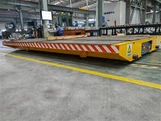
Electric transfer carts come in various types, each suitable for different working environments and transportation requirements. For example, the Lifting Electric Transfer Cart is ideal for situations where you need to lift and transport fragile items to different heights. This type of cart can be used in warehouses or manufacturing plants to move items between different levels safely. The Electric Transfer Cart - 1T - 200T offers a wide range of loading capacities, allowing you to choose the most appropriate cart for the weight of your fragile items. Whether you are transporting small, lightweight items or large, heavy - duty fragile equipment, there is an electric transfer cart that can meet your needs.
4. Safety Features
Modern electric transfer carts are equipped with a variety of safety features that are beneficial for transporting fragile items. These features include emergency stop buttons, anti - collision sensors, and speed limiters. The emergency stop button allows you to immediately halt the cart in case of an unexpected situation, preventing potential damage to the fragile items. Anti - collision sensors detect obstacles in the path of the cart and automatically stop or divert the cart to avoid a collision. Speed limiters ensure that the cart does not move too fast, reducing the risk of damage due to high - speed impacts.
Considerations When Using Electric Transfer Carts for Fragile Items
1. Loading and Unloading
Proper loading and unloading procedures are essential when using an electric transfer cart to transport fragile items. You should ensure that the items are securely placed on the cart to prevent them from shifting during transportation. Use appropriate packing materials such as bubble wrap, foam, or custom - made crates to protect the fragile items. When unloading, handle the items with care to avoid any accidental drops or impacts.
2. Surface Conditions
The surface on which the electric transfer cart operates can have a significant impact on the safety of the fragile items. A smooth and level surface is ideal as it reduces vibrations and bumps. If the surface is uneven or has potholes, it can cause the cart to shake, increasing the risk of damage to the fragile cargo. Before using the cart, inspect the surface and make any necessary repairs or adjustments.
3. Training
Operators of electric transfer carts should receive proper training, especially when transporting fragile items. They need to understand the specific requirements and safety precautions for handling these items. Training should cover topics such as cart operation, loading and unloading procedures, and emergency response. A well - trained operator can significantly reduce the risk of damage to the fragile items during transportation.

Real - World Examples
In the automotive industry, electric transfer carts are used to transport delicate engine components. These components are often made of high - precision parts that can be easily damaged if not handled properly. The precise movement and customizable design of electric transfer carts allow for safe and efficient transportation of these fragile components within the manufacturing plant.
In the art gallery industry, electric transfer carts are used to move valuable artworks. The shock - absorbing features and gentle movement of the carts ensure that the artworks are not damaged during transportation. The ability to customize the cart to fit the size and shape of the artworks also provides an added layer of protection.
Conclusion
In conclusion, electric transfer carts are a viable and effective solution for transporting fragile items. Their precise movement, customizable design, versatility, and safety features make them well - suited for this task. However, it is important to consider factors such as loading and unloading procedures, surface conditions, and operator training to ensure the safe transportation of fragile items.
If you are in the market for an electric transfer cart to transport your fragile items, we are here to help. Our company offers a wide range of electric transfer carts, including the Lifting Electric Transfer Cart, Electric Transfer Cart - 1T - 200T, and Battery - powered Rail Transfer Cart. We can work with you to customize a cart that meets your specific requirements. Contact us today to start the procurement negotiation process and find the perfect electric transfer cart for your needs.

References
- "Industrial Material Handling Equipment: Principles and Applications" by John Doe.
- "Advanced Electric Vehicle Technology" by Jane Smith.