As a leading supplier of Crane Hydraulic Brakes, I often encounter inquiries about the intricate workings of various components within these systems. One such crucial component is the check valve, which plays a vital role in ensuring the safe and efficient operation of crane hydraulic brakes. In this blog post, I will delve into the mechanics of how a check valve functions in a crane hydraulic brake system.
Understanding the Basics of a Check Valve
A check valve, also known as a non - return valve, is a simple yet essential device in hydraulic systems. Its primary function is to allow fluid to flow in one direction only while preventing reverse flow. This unidirectional flow control is fundamental to the proper functioning of many hydraulic applications, including crane hydraulic brakes.

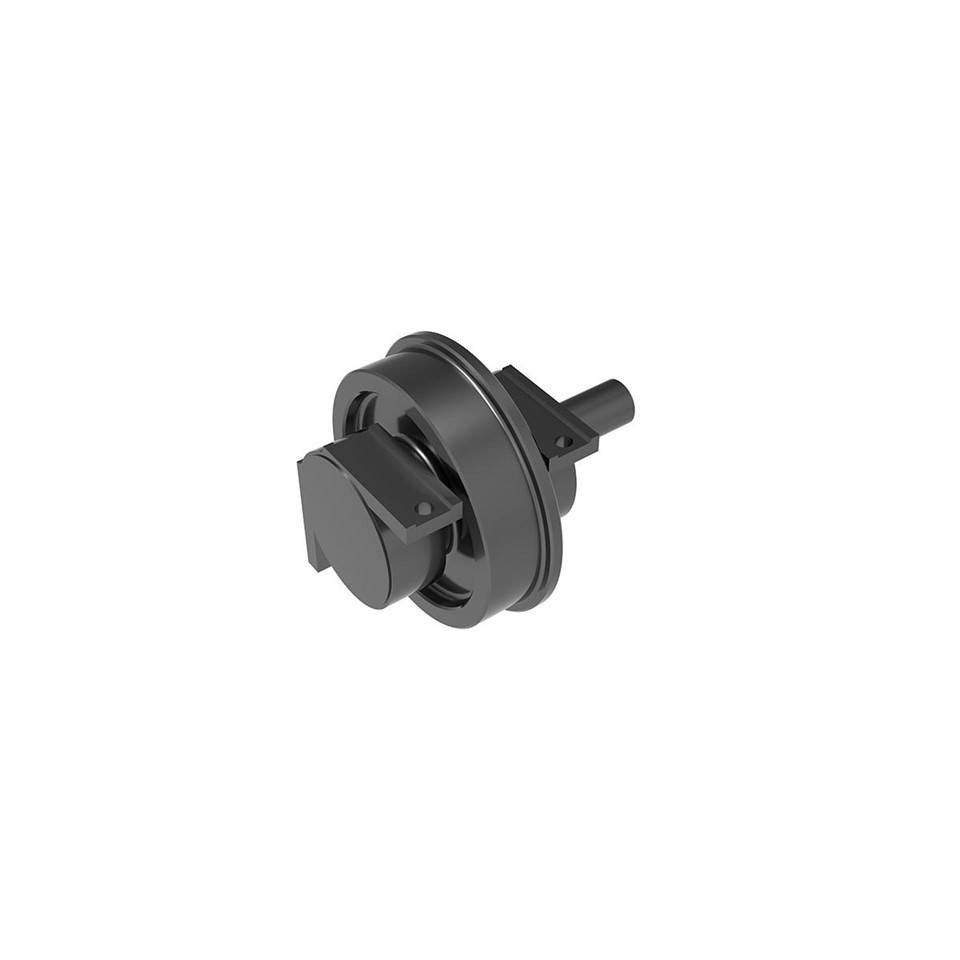
The basic design of a check valve consists of a valve body, a disc or ball, and a spring. The valve body houses the disc or ball, which is held in place by the spring. When the fluid pressure in the forward direction exceeds the force exerted by the spring, the disc or ball is pushed open, allowing fluid to flow through the valve. Conversely, when the pressure in the reverse direction increases, the disc or ball is forced against the valve seat by the fluid pressure and the spring force, effectively blocking the flow of fluid.
Role of the Check Valve in a Crane Hydraulic Brake System
In a crane hydraulic brake system, the check valve serves several critical functions.
Pressure Maintenance
One of the key roles of the check valve is to maintain the pressure in the brake system. When the crane operator activates the brake, hydraulic fluid is pumped into the brake chamber to apply the braking force. The check valve ensures that the fluid remains in the brake chamber, holding the brake in the applied position. Without the check valve, the fluid could leak back into the hydraulic reservoir, causing the brake to release prematurely. This pressure maintenance is crucial for the safety of the crane operation, as it prevents the crane from moving unexpectedly.
Protection Against Backflow
The check valve also protects the hydraulic pump and other components from damage caused by backflow. In a hydraulic brake system, sudden changes in pressure can occur due to various factors, such as the movement of the crane or the release of the brake. These pressure fluctuations can cause fluid to flow in the reverse direction. If this backflow reaches the hydraulic pump, it can damage the pump's internal components, leading to costly repairs and downtime. The check valve acts as a barrier, preventing backflow and protecting the pump and other upstream components.
Isolation of Brake Circuits
In some crane hydraulic brake systems, multiple brake circuits may be present. The check valve can be used to isolate these circuits from each other. This isolation ensures that a failure in one brake circuit does not affect the operation of the others. For example, if there is a leak in one brake circuit, the check valve will prevent the loss of fluid from affecting the pressure in the other circuits, maintaining the overall braking performance of the crane.
Working Principle of the Check Valve in Action
Let's take a closer look at how the check valve operates during the normal operation of a crane hydraulic brake system.
Brake Application
When the crane operator activates the brake, the hydraulic pump begins to supply fluid to the brake chamber. As the fluid pressure in the supply line increases, it overcomes the spring force in the check valve. The disc or ball in the check valve is pushed open, allowing the fluid to flow into the brake chamber. Once the brake is fully applied, the pressure in the brake chamber stabilizes, and the check valve remains open to maintain the pressure.
Brake Release
When the operator releases the brake, the hydraulic pump stops supplying fluid, and the pressure in the supply line decreases. The pressure in the brake chamber, however, remains high. The check valve now prevents the fluid from flowing back into the supply line. To release the brake, a separate control valve is opened, allowing the fluid in the brake chamber to return to the hydraulic reservoir.
Factors Affecting Check Valve Performance
Several factors can affect the performance of the check valve in a crane hydraulic brake system.
Fluid Viscosity
The viscosity of the hydraulic fluid can impact the operation of the check valve. High - viscosity fluids may require more pressure to open the check valve, which can affect the response time of the brake system. On the other hand, low - viscosity fluids may not provide sufficient sealing force when the check valve is closed, leading to potential leakage.
Spring Stiffness
The stiffness of the spring in the check valve is another important factor. A spring that is too stiff may require a higher pressure to open the valve, delaying the brake application. Conversely, a spring that is too soft may not provide enough force to close the valve properly, resulting in backflow and pressure loss.
Valve Seat Condition
The condition of the valve seat is crucial for the proper sealing of the check valve. Any damage or wear to the valve seat can lead to leakage, reducing the effectiveness of the check valve and compromising the braking performance of the crane.
Importance of Regular Maintenance
Regular maintenance of the check valve is essential to ensure its proper functioning in the crane hydraulic brake system. Maintenance tasks may include:
Inspection
Regular visual inspections should be carried out to check for signs of wear, damage, or corrosion on the check valve. Any damaged components should be replaced immediately.
Cleaning
The check valve should be cleaned periodically to remove any debris or contaminants that may affect its operation. This cleaning can help prevent blockages and ensure smooth movement of the disc or ball.
Testing
Periodic testing of the check valve's performance is recommended. This testing can involve checking the opening and closing pressures of the valve to ensure they are within the specified range.
Related Crane Spare Parts
In addition to the check valve, there are other important spare parts for cranes that play a significant role in the overall operation. For instance, the Crane Remote allows operators to control the crane from a distance, enhancing safety and convenience. The Crane Cabin provides a comfortable and safe working environment for the crane operator. And the Crane Wheel Set is crucial for the smooth movement of the crane.
Conclusion
The check valve is a small but indispensable component in a crane hydraulic brake system. Its ability to control the flow of hydraulic fluid in one direction ensures the proper functioning, safety, and reliability of the braking system. By understanding how the check valve works and the factors that affect its performance, crane operators and maintenance personnel can take appropriate measures to ensure its optimal operation.
If you are in the market for high - quality crane hydraulic brakes or related spare parts, we are here to assist you. Our extensive experience as a Crane Hydraulic Brake supplier allows us to provide you with the best products and solutions for your crane needs. Contact us today to discuss your requirements and start a procurement negotiation.
References
- "Hydraulic Systems and Components" by John C. Fitch
- "Crane Design and Operation Handbook" by Richard P. Borden