

Hey there! As a supplier of Crane Hydraulic Brakes, I've seen firsthand how crucial it is to ensure the correct installation of these components. A well - installed crane hydraulic brake not only guarantees the safety of the crane operation but also extends the lifespan of the equipment. In this blog, I'll share some key steps and tips on how to make sure your crane hydraulic brake is installed correctly.
1. Pre - installation Checks
Before you even start the installation process, there are several important checks you need to do. First off, examine the brake unit itself. Look for any visible signs of damage such as cracks, dents, or loose parts. You don't want to install a brake that's already in a compromised state.
Next, check the specifications of the brake against the requirements of your crane. Make sure the brake's torque rating, mounting dimensions, and other technical parameters match what your crane needs. This step is super important because using a brake with the wrong specifications can lead to all sorts of problems, like insufficient braking force or improper fit.
Also, take a look at the mounting surface on the crane. It should be clean, flat, and free of any debris or corrosion. A rough or dirty mounting surface can prevent the brake from being installed properly and may cause uneven wear over time. You might need to clean and, if necessary, machine the mounting surface to ensure a smooth and secure fit.
2. Gathering the Right Tools
Having the right tools on hand is essential for a successful installation. You'll typically need basic tools like wrenches, sockets, and screwdrivers. Make sure these tools are in good condition and the right size for the job.
For more precise installations, you may also need a torque wrench. This tool allows you to tighten bolts to the exact torque specified by the manufacturer. Over - tightening or under - tightening bolts can have serious consequences, so using a torque wrench is a must.
Additionally, you might need a lifting device if the brake unit is heavy. This could be a hoist or a forklift. Just make sure the lifting device is rated to handle the weight of the brake and is operated safely.
3. Following the Manufacturer's Instructions
The manufacturer's installation instructions are your best friend when it comes to installing a crane hydraulic brake. These instructions are specifically designed for the particular brake model you're working with and provide step - by - step guidance.
Read through the instructions carefully before you start the installation. Make sure you understand each step and any special requirements. If you have any questions, don't hesitate to contact the manufacturer's technical support team. They're there to help you ensure a proper installation.
Some common steps in the installation process include aligning the brake with the mounting holes, inserting bolts, and tightening them to the correct torque. The instructions will also tell you how to connect the hydraulic lines, which is a critical part of the installation. Incorrectly connected hydraulic lines can lead to leaks or improper brake operation.
4. Hydraulic System Installation
The hydraulic system is a vital part of the crane hydraulic brake. When installing the hydraulic lines, make sure they are clean and free of any contaminants. Contaminants in the hydraulic system can cause damage to the brake components and reduce its performance.
Use the right type of hydraulic fluid as specified by the manufacturer. Different brakes may require different types of fluid, so it's important to get this right. Fill the hydraulic reservoir to the correct level, and then bleed the system to remove any air bubbles. Air in the hydraulic system can cause spongy brakes and inconsistent performance.
Check the hydraulic connections for tightness. Leaks in the hydraulic system can not only lead to a loss of braking power but also create a safety hazard. You may need to use thread sealant on the connections to prevent leaks.
5. Electrical Connections (if applicable)
Some crane hydraulic brakes have electrical components, such as solenoids. If your brake has these, you need to make sure the electrical connections are made correctly.
Inspect the wiring for any damage or frayed wires. Use the right connectors and make sure they are securely attached. Follow the wiring diagram provided by the manufacturer to ensure the correct polarity and connection points.
After making the electrical connections, test the electrical system to make sure the brake functions as expected. This might involve using a multimeter to check for proper voltage and continuity.
6. Testing the Brake
Once the installation is complete, it's time to test the brake. Before you do a full - scale test on the crane, you can do some initial checks. Make sure the brake engages and disengages smoothly when you operate the control system.
Do a static test by applying the brake and checking for any movement or slippage. If the brake doesn't hold properly, there may be an issue with the installation. Check the bolts for tightness, the hydraulic pressure, and the electrical connections again.
For a dynamic test, you can operate the crane under light loads and gradually increase the load as you monitor the brake's performance. Pay attention to how the brake responds during acceleration, deceleration, and stopping. If you notice any abnormal noises, vibrations, or braking behavior, stop the operation immediately and investigate the problem.
7. Maintenance and Follow - up
Even after a successful installation, regular maintenance is crucial to keep the crane hydraulic brake in good working condition. Follow the manufacturer's maintenance schedule, which typically includes tasks like checking the hydraulic fluid level, inspecting the brake pads for wear, and lubricating moving parts.

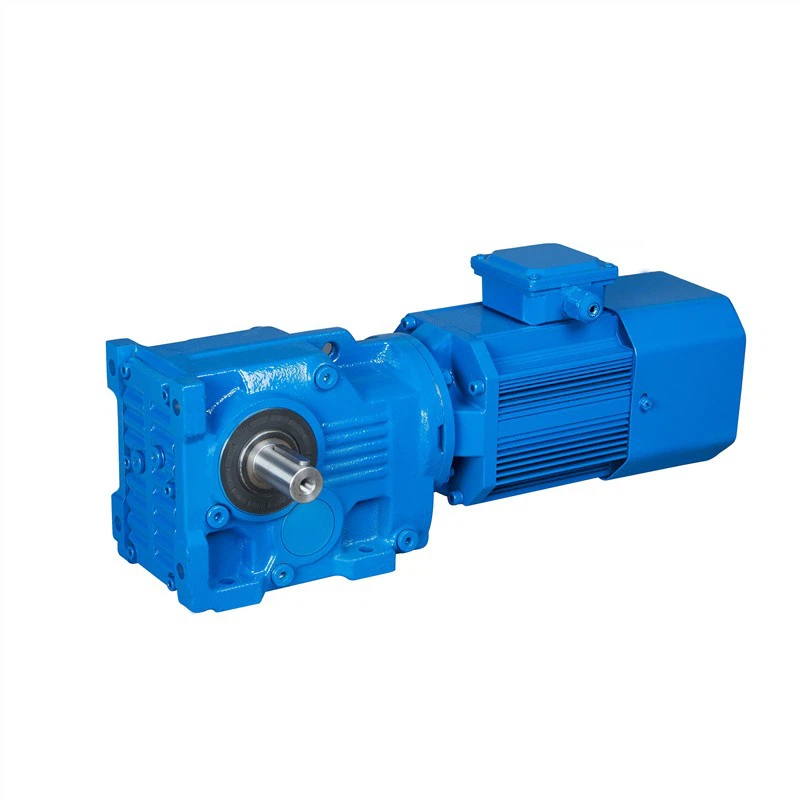
Keep records of all maintenance activities and any issues you encounter. This will help you track the performance of the brake over time and identify any potential problems early on.
If you need to replace any parts of the brake, make sure to use genuine parts from a reliable supplier. Using non - genuine parts can void the warranty and may not provide the same level of performance and safety.
As a Crane Hydraulic Brake supplier, I can offer you high - quality products and expert advice. If you're in the market for a new crane hydraulic brake or need help with installation, feel free to reach out. We also offer a wide range of related products such as Electrohydraulic Brakes For Cranes, Motor Reducer For Crane, and Crane Motor Reducer. Contact us to start a procurement discussion and ensure your crane operates safely and efficiently.
References
- Crane Hydraulic Brake Manufacturer's Installation Manuals
- Industry Standards for Crane Safety and Installation


