

As a dedicated supplier of crane hooks, I understand the critical role that proper maintenance plays in ensuring the smooth and safe operation of cranes. One often overlooked but essential aspect of crane maintenance is the lubrication of the crane hook block. In this blog post, I'll share some professional insights on how to lubricate a crane hook block effectively, which can significantly extend the lifespan of your crane and enhance its performance.
Understanding the Importance of Lubrication
Before delving into the lubrication process, it's important to understand why lubrication is so crucial for a crane hook block. The hook block is a complex assembly of moving parts, including sheaves, bearings, and pins. These components are subject to high levels of friction and wear during normal operation. Without proper lubrication, the friction can cause excessive heat, premature wear, and even failure of the parts. Lubrication reduces friction, dissipates heat, and protects the components from corrosion, ensuring that the hook block operates smoothly and reliably.

Selecting the Right Lubricant
The first step in lubricating a crane hook block is selecting the appropriate lubricant. The choice of lubricant depends on several factors, including the operating environment, temperature range, and the type of components in the hook block.
- For General Use: In most standard operating conditions, a high - quality, multi - purpose grease is a good choice. Grease has excellent adhesion properties, which means it stays in place and provides long - lasting lubrication. Look for a grease that has good anti - wear, anti - corrosion, and extreme - pressure (EP) properties.
- For Extreme Conditions: If the crane operates in extreme temperatures, high humidity, or in a corrosive environment, a specialized lubricant may be required. For example, in cold climates, a low - temperature grease that does not thicken or lose its lubricating properties at low temperatures is necessary. In high - temperature environments, a high - temperature grease with good thermal stability is recommended.
Preparing for Lubrication
Once you've selected the right lubricant, it's time to prepare for the lubrication process.
- Inspection: Before lubricating, thoroughly inspect the hook block for any signs of damage, wear, or contamination. Check the sheaves for cracks, the bearings for play, and the pins for excessive wear. If any issues are found, address them before proceeding with lubrication.
- Cleaning: Clean the hook block to remove any dirt, debris, or old lubricant. You can use a suitable solvent or degreaser and a clean cloth or brush. Make sure to clean all the lubrication points, including the sheave bearings, pin holes, and any other moving parts. This ensures that the new lubricant can penetrate and provide effective lubrication.
- Safety Precautions: Always follow proper safety procedures when working on a crane. This includes wearing appropriate personal protective equipment (PPE), such as gloves and safety glasses. Make sure the crane is in a safe, stationary position and that all power sources are turned off.
Lubrication Process
Now, let's walk through the actual lubrication process.
- Lubricating Sheave Bearings:
- Most crane hook blocks have sheave bearings that require regular lubrication. Locate the grease fittings on the sheave hubs. These are usually small, threaded holes where you can attach a grease gun.
- Attach the grease gun to the fitting and pump the grease slowly until you see fresh grease挤出 from the sides of the bearing. This indicates that the old grease has been displaced and the bearing is properly lubricated.
- Be careful not to over - grease the bearings, as this can cause excessive pressure and may damage the seals.
- Lubricating Pins and Bushings:
- The pins and bushings in the hook block also need lubrication. Apply a thin layer of grease to the pins before inserting them into the bushings. You can use a brush or your gloved hand to spread the grease evenly.
- For hook blocks with grease - lubricated pins, locate the grease fittings on the pins and use a grease gun to inject grease into the pin holes. This ensures that the pins and bushings are well - lubricated and reduces friction during movement.
- Lubricating Other Moving Parts:
- In addition to the sheaves, bearings, pins, and bushings, there may be other moving parts in the hook block, such as linkages or adjusting mechanisms. Apply the appropriate lubricant to these parts as well, following the manufacturer's recommendations.
Post - Lubrication Checks
After lubricating the hook block, it's important to perform some post - lubrication checks.
- Function Test: Operate the crane hook block through a few cycles to ensure that it moves smoothly. Listen for any unusual noises, such as grinding or squeaking, which may indicate improper lubrication or other issues.
- Lubricant Leakage: Check for any signs of lubricant leakage. If you notice excessive leakage, it may be a sign of over - lubrication or a damaged seal. Address the issue promptly to prevent loss of lubricant and potential contamination.
Related Crane Spare Parts
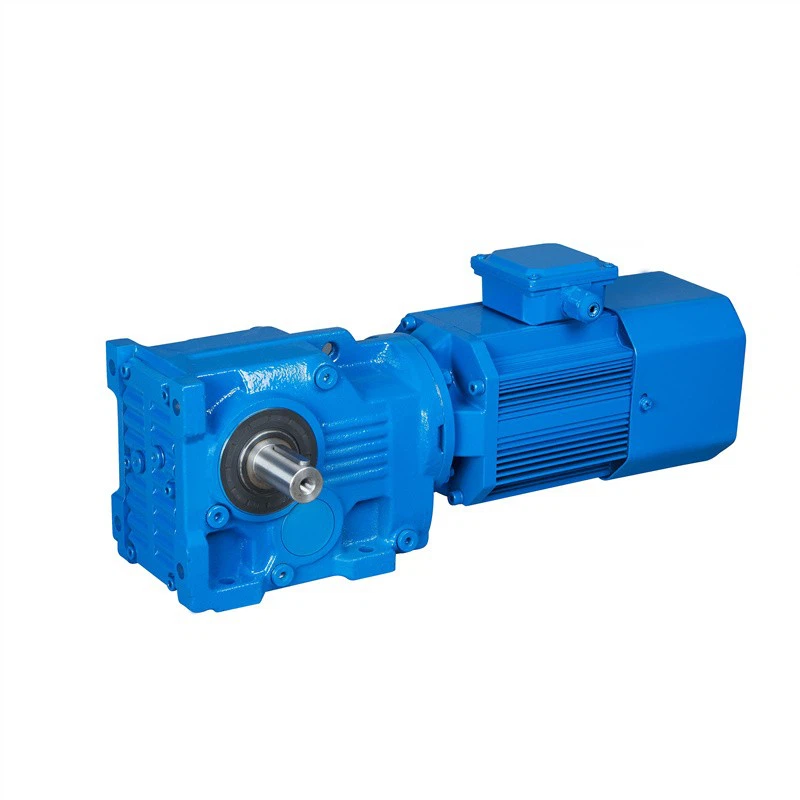
When it comes to crane maintenance, the hook block is just one part of the equation. Other important crane spare parts also require proper care and attention. For example, the Hoist Trolley is a key component that allows the crane to move horizontally along the runway. It also has moving parts that need lubrication and regular inspection. The Crane Motor Reducer is responsible for reducing the speed of the motor and increasing the torque, and it needs to be properly maintained to ensure efficient operation. And the Crane Hydraulic Brake is crucial for the safety of the crane, and its hydraulic components also need to be checked and maintained regularly.
Conclusion
Proper lubrication of a crane hook block is a simple yet essential maintenance task that can have a significant impact on the performance and lifespan of your crane. By following the steps outlined above, selecting the right lubricant, and performing regular inspections and maintenance, you can ensure that your crane hook block operates safely and efficiently.
If you are in need of high - quality crane hooks or other crane spare parts, or if you have any questions about crane maintenance, I encourage you to contact us for further discussion. Our team of experts is always ready to assist you in making the right choices for your crane needs.
References
- Crane Manufacturer's Maintenance Manuals
- Industry Standards for Crane Maintenance and Lubrication
- Technical Publications on Crane Components and Lubrication


