

Operating a hoist trolley safely is of paramount importance in various industrial settings. As a trusted Hoist Trolley supplier, we understand the critical role that safety plays in the efficient and reliable operation of these essential pieces of equipment. In this blog, we will delve into the key aspects of safe hoist trolley operation, providing you with valuable insights and practical tips to ensure a secure working environment.
Pre - operation Checks
Before operating a hoist trolley, a comprehensive pre - operation check is crucial. This step helps to identify any potential issues that could lead to accidents during operation.
Visual Inspection
Conduct a thorough visual inspection of the hoist trolley. Check for any visible signs of damage, such as cracks, dents, or worn - out parts. Examine the hoist ropes or chains for fraying, kinking, or excessive wear. Inspect the wheels of the trolley for proper alignment and any signs of damage. A damaged wheel can cause uneven movement and instability, increasing the risk of accidents.
Functionality Testing
Test all the controls of the hoist trolley. Ensure that the up and down controls for the hoist, as well as the forward and backward controls for the trolley movement, are functioning correctly. Check the emergency stop button to make sure it can immediately halt the operation in case of an emergency. Test the limit switches, which are designed to prevent the hoist from over - traveling in the up or down direction. Malfunctioning limit switches can lead to dangerous situations, such as the hoist crashing into the ceiling or the load hitting the ground with excessive force.
Load Capacity Verification
Determine the load capacity of the hoist trolley and ensure that the load you intend to lift does not exceed this limit. Overloading a hoist trolley can cause structural failure, leading to the collapse of the load and potential injury to workers. Refer to the manufacturer's specifications for the exact load capacity of the hoist trolley. If you are unsure about the weight of the load, use a weighing device to accurately measure it.
Operator Training
Proper operator training is essential for safe hoist trolley operation. Operators should be well - versed in the equipment's functions, safety procedures, and emergency response protocols.
Formal Training Programs
Enroll operators in formal training programs provided by certified trainers. These programs typically cover theoretical knowledge, such as the principles of hoist trolley operation, load calculation, and safety regulations. Practical training sessions allow operators to gain hands - on experience in operating the hoist trolley under the supervision of an experienced instructor.
Regular Refresher Courses
Even experienced operators should attend regular refresher courses to stay updated on the latest safety standards and best practices. Technology in hoist trolley design and operation is constantly evolving, and refresher courses can help operators adapt to these changes. Additionally, refresher courses reinforce safety awareness and remind operators of the importance of following safety procedures at all times.
Safety Knowledge Assessment
Periodically assess operators' safety knowledge through written tests or practical demonstrations. This helps to identify any gaps in their understanding and provides an opportunity for further training if necessary.
Safe Lifting Practices
Adopting safe lifting practices is vital to prevent accidents during hoist trolley operation.
Proper Load Attachment
Ensure that the load is properly attached to the hoist hook or lifting device. Use appropriate slings, shackles, or other lifting accessories that are rated for the weight and type of load. The load should be balanced and centered to prevent it from swinging or tipping during lifting. Avoid using damaged or worn - out lifting accessories, as they can fail under stress.
Slow and Steady Operation
When lifting a load, operate the hoist trolley slowly and steadily. Sudden starts or stops can cause the load to swing, increasing the risk of collisions with nearby objects or workers. Use the lowest possible speed when starting and stopping the hoist to maintain control over the load.
Clearance and Obstacle Avoidance
Before lifting a load, ensure that there is sufficient clearance around the hoist trolley and the load path. Remove any obstacles that could interfere with the movement of the hoist trolley or the load. Be aware of overhead obstacles, such as pipes, beams, or electrical wires, and maintain a safe distance from them.
Maintenance and Inspection
Regular maintenance and inspection of the hoist trolley are necessary to keep it in good working condition and prevent breakdowns.
Scheduled Maintenance
Develop a scheduled maintenance plan for the hoist trolley. This plan should include tasks such as lubrication of moving parts, inspection of electrical components, and replacement of worn - out parts. Follow the manufacturer's recommendations for maintenance intervals and procedures.
Professional Inspections
Have the hoist trolley inspected by a professional at regular intervals. A professional inspector can identify potential problems that may not be apparent during routine visual inspections. They can also perform more in - depth tests, such as load testing, to ensure the safety and reliability of the hoist trolley.
Record - keeping
Keep detailed records of all maintenance and inspection activities. These records can be used to track the history of the hoist trolley, identify recurring problems, and demonstrate compliance with safety regulations.

Emergency Preparedness
Despite taking all necessary precautions, emergencies can still occur during hoist trolley operation. Being prepared to handle these emergencies can minimize the damage and prevent injuries.
Emergency Response Plan
Develop an emergency response plan specifically for hoist trolley operations. The plan should include procedures for dealing with various emergencies, such as load spills, equipment failures, or worker injuries. Train all workers on the emergency response plan and conduct regular drills to ensure that they can respond quickly and effectively in case of an emergency.
First - Aid and Rescue Equipment
Have first - aid kits and rescue equipment readily available in the work area. Ensure that workers are trained in basic first - aid procedures. In case of a worker injury, immediate first - aid can make a significant difference in the outcome.
Communication Systems
Establish a reliable communication system so that workers can quickly report emergencies. This can include two - way radios, emergency alarms, or other communication devices.
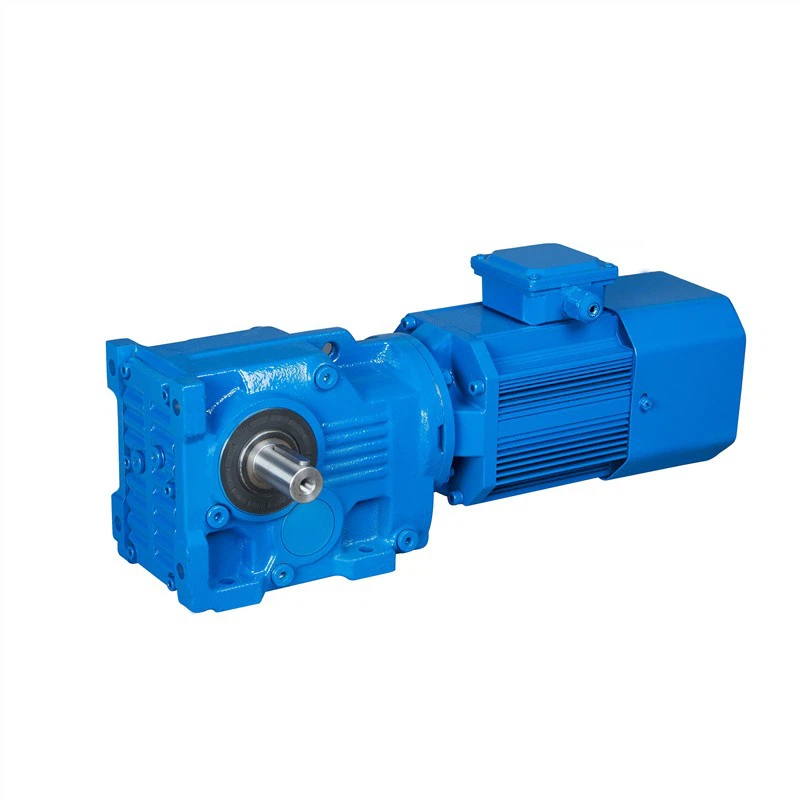
As a Hoist Trolley supplier, we are committed to providing high - quality products and supporting our customers in ensuring safe operation. Our Hoist Trolley is designed with safety in mind, incorporating advanced features and high - quality components. We also offer a range of related products, such as Crane Motor Reducer and Crane Cabin, to meet your industrial needs.
If you are interested in purchasing our hoist trolleys or have any questions about safe operation, we encourage you to contact us for a detailed discussion. Our team of experts is ready to assist you in finding the right solutions for your specific requirements.
References
- American Society of Mechanical Engineers (ASME). Safety standards for hoist and trolley operation.
- Occupational Safety and Health Administration (OSHA). Guidelines for industrial lifting equipment safety.
- Manufacturer's manuals for hoist trolleys and related components.


