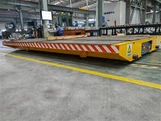
As a supplier of electric transfer carts, I've witnessed firsthand the rapid evolution of these remarkable machines. Electric transfer carts have become indispensable in various industries, from manufacturing and logistics to warehousing and automotive. They offer a cost - effective, efficient, and environmentally friendly solution for moving heavy loads across different distances. However, one aspect that often goes unnoticed but is of utmost importance is electromagnetic compatibility (EMC).
Understanding Electromagnetic Compatibility
Electromagnetic compatibility refers to the ability of an electrical or electronic device to function properly in its electromagnetic environment without causing unacceptable electromagnetic interference (EMI) to other devices in that same environment. In simpler terms, it's about ensuring that all electrical equipment can coexist harmoniously, without one device disrupting the operation of another through electromagnetic emissions.
In the context of electric transfer carts, EMC is crucial for several reasons. First, modern electric transfer carts are equipped with a wide range of electrical and electronic components, such as motors, controllers, sensors, and communication systems. These components generate electromagnetic fields during operation. If not properly managed, these fields can interfere with the normal operation of other equipment in the vicinity, including other transfer carts, control systems, and even sensitive electronic devices in the workplace.
Second, electric transfer carts often operate in industrial environments where there are numerous other electrical devices and machinery. These external sources can also generate electromagnetic interference, which may affect the performance of the transfer cart itself. For example, large motors, welding equipment, and radio frequency transmitters can produce electromagnetic noise that could disrupt the cart's control signals, leading to malfunctions or safety hazards.
Sources of Electromagnetic Interference in Electric Transfer Carts
There are several sources of electromagnetic interference within an electric transfer cart. One of the primary sources is the electric motor. When the motor is powered on, it draws a large amount of current, which can cause rapid changes in the magnetic field around the motor windings. These changing magnetic fields can radiate electromagnetic energy, creating both conducted and radiated interference. Conducted interference travels along the power cables and can affect other electrical components connected to the same power supply. Radiated interference, on the other hand, spreads through the air and can reach other nearby devices.
Another source of EMI is the power electronics used in the cart's control system. Inverters, which are commonly used to control the speed and torque of the motor, generate high - frequency switching signals. These signals can produce electromagnetic noise that can interfere with other electronic circuits in the cart or other equipment in the area. Additionally, sensors and communication systems on the cart, such as proximity sensors, RFID readers, and wireless communication modules, can also be sources of EMI.
The Impact of Poor Electromagnetic Compatibility
Poor electromagnetic compatibility in electric transfer carts can have several negative consequences. From a performance perspective, it can lead to erratic behavior of the cart. For example, the cart may experience sudden speed changes, unexpected stops, or difficulty in maintaining a straight path. These issues can disrupt the workflow in a production or logistics environment, leading to delays and reduced productivity.
In terms of safety, electromagnetic interference can pose a significant risk. If the cart's control system is affected by EMI, it may fail to respond correctly to safety signals, such as emergency stop commands. This could result in collisions, accidents, and potential harm to operators and other personnel in the area.
Moreover, in industries where strict quality control and regulatory compliance are required, such as the aerospace and medical device industries, non - compliant electromagnetic emissions from electric transfer carts can lead to product rejection and legal issues.


Ensuring Electromagnetic Compatibility in Electric Transfer Carts
To ensure electromagnetic compatibility in electric transfer carts, several measures can be taken during the design and manufacturing process.
Component Selection
Choosing high - quality electrical and electronic components with good EMC characteristics is essential. For example, motors with low - noise designs and power electronics with proper shielding can significantly reduce electromagnetic emissions. Additionally, using components that are designed to be immune to external electromagnetic interference can enhance the overall EMC performance of the cart.
Shielding
Shielding is an effective way to reduce radiated electromagnetic interference. The motor, power electronics, and other sensitive components can be enclosed in metal shields that block the electromagnetic fields from escaping. These shields are typically connected to the ground to provide a path for the electromagnetic energy to dissipate safely.
Filtering
Filtering is used to reduce conducted electromagnetic interference. Filters can be installed on the power cables and signal lines to block high - frequency noise while allowing the desired signals to pass through. For example, a line filter can be placed at the input of the power supply to prevent conducted interference from entering the cart's electrical system.
Grounding
Proper grounding is crucial for EMC. A good grounding system provides a low - impedance path for the electrical current to flow back to the source, reducing the potential for electromagnetic interference. All electrical components in the cart should be properly grounded to ensure that any stray electromagnetic energy is safely dissipated.
Our Company's Approach to Electromagnetic Compatibility
As a leading supplier of electric transfer carts, we take electromagnetic compatibility very seriously. We have a team of experienced engineers who are well - versed in EMC design principles. During the design phase of our electric transfer carts, we conduct detailed electromagnetic simulations to predict and analyze the electromagnetic emissions of the cart. This allows us to identify potential sources of interference and implement appropriate mitigation measures early in the process.
We also perform rigorous EMC testing on our products. Our testing facilities are equipped with state - of - the - art equipment to measure both conducted and radiated electromagnetic emissions. We ensure that our electric transfer carts comply with international EMC standards, such as CISPR (International Special Committee on Radio Interference) and EN (European Norm) standards.
Types of Electric Transfer Carts and EMC
We offer a wide range of electric transfer carts, each with its own unique EMC considerations.
Trackless Electric Transfer Cart
Our Trackless Electric Transfer Cart is a versatile solution for moving loads in a flexible manner. Since it operates without tracks, it may be more exposed to external electromagnetic interference from various sources in the environment. We have designed this cart with enhanced shielding and filtering to ensure its reliable operation in different industrial settings.
Battery - powered Rail Transfer Cart
The Battery - powered Rail Transfer Cart is powered by batteries, which eliminates the need for a continuous power supply from an external source. However, the battery charging system and the electrical components associated with it can be sources of electromagnetic interference. We have implemented advanced EMC design techniques in the battery management system and the charging circuit to minimize these emissions.
Coil Electric Transfer Cart
The Coil Electric Transfer Cart is specifically designed for transporting coils. It often operates in environments where there are large magnetic fields, such as in steel mills. We have optimized the EMC performance of this cart to ensure that it can operate reliably in the presence of these strong magnetic fields without being affected by electromagnetic interference.
Conclusion
Electromagnetic compatibility is a critical aspect of electric transfer cart design and operation. Ensuring proper EMC not only improves the performance and reliability of the cart but also enhances safety in the workplace. As a supplier of electric transfer carts, we are committed to providing our customers with high - quality products that meet the highest EMC standards.
If you are in the market for electric transfer carts and are concerned about electromagnetic compatibility, we invite you to contact us for more information. Our team of experts can help you select the right cart for your specific needs and provide you with detailed information about our EMC design and testing processes. Let's work together to find the best solution for your material handling requirements.
References
- "Electromagnetic Compatibility Engineering" by Henry W. Ott
- International Electrotechnical Commission (IEC) standards on electromagnetic compatibility
- CISPR publications on radio interference limits and measurement methods