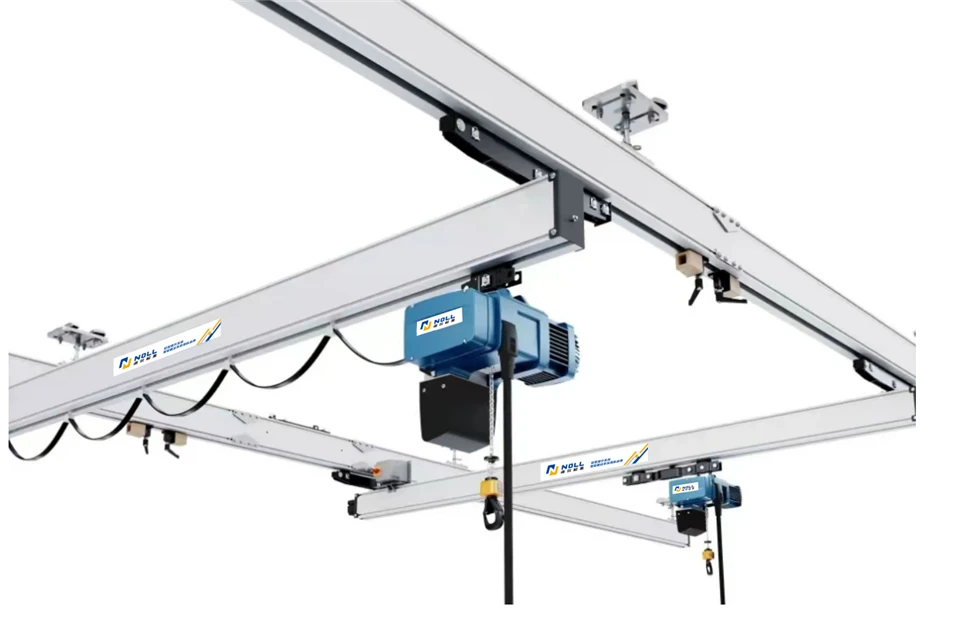
Hey there! As a supplier of Monorail Crane Systems, I'm super stoked to walk you through the installation process of these nifty pieces of equipment. Monorail crane systems are a game - changer in many industries, offering efficient and flexible material handling solutions. So, let's dive right in!
Pre - installation Preparation
Before you even start unpacking the crane components, there are a few crucial steps to take. First off, you need to pick the right location. The area where you plan to install the monorail crane should be spacious enough to allow for the full movement of the crane. It should also be free from any obstructions that could interfere with its operation.
You'll also need to check the structural integrity of the building or support structure where the crane will be mounted. Monorail cranes can be heavy, especially when they're carrying loads, so the support needs to be able to handle the weight. If you're not sure about the structural capacity, it's a good idea to consult a structural engineer.
Another important thing is to gather all the necessary tools. You'll typically need wrenches, screwdrivers, drills, and a level. Having the right tools on hand will make the installation process go much more smoothly.
Unpacking and Inspection
Once you've got the location sorted and the tools ready, it's time to unpack the monorail crane system. Carefully open the boxes and lay out all the components. Take a good look at each part to make sure there are no visible damages. If you do find any damaged parts, contact us right away. We'll get you replacement parts asap.
It's also a good idea to organize the components according to the installation manual. This will make it easier to find what you need when you're ready to start assembling.
Track Installation
The track is the backbone of the monorail crane system. Start by marking the mounting points on the support structure according to the installation manual. Make sure the marks are level and evenly spaced.
Next, attach the track hangers to the support structure using the appropriate fasteners. These hangers will hold the track in place. Once the hangers are installed, carefully lift the track sections and place them on the hangers. Connect the track sections using the provided connectors. Make sure the connections are tight and secure.
Use a level to check that the track is straight and level. Any unevenness in the track can cause problems with the crane's movement and operation. Adjust the hangers as needed to ensure a proper alignment.
Crane Assembly
Now that the track is in place, it's time to assemble the crane itself. Start by attaching the end trucks to the crane bridge. The end trucks are the parts that run on the track. Use the bolts and nuts provided to secure them tightly.
Next, install the hoist on the crane bridge. The hoist is what will lift and lower the loads. Follow the manufacturer's instructions carefully to ensure proper installation. Make sure all the electrical connections are made correctly if it's an electric hoist.
Electrical Installation (if applicable)
If your monorail crane system is electrically powered, electrical installation is a critical step. First, make sure you have a proper power source that meets the requirements of the crane. You'll need to run electrical cables from the power source to the crane.
Install the control panel near the crane for easy access. Connect all the electrical components, such as the hoist motor, limit switches, and control buttons, to the control panel. Double - check all the connections to avoid any electrical hazards.
It's important to have a qualified electrician perform the electrical installation to ensure compliance with safety standards.
Testing and Commissioning
Once the crane is fully assembled and the electrical work is done, it's time for testing. Start by running some test runs without any load. Check the movement of the crane along the track, the operation of the hoist, and the functionality of the control buttons.
Listen for any unusual noises or vibrations during the test runs. If you notice anything out of the ordinary, stop the crane immediately and investigate the issue.
After the no - load tests, gradually add some light loads and repeat the tests. Make sure the crane can handle the loads safely and smoothly.
Once you're satisfied with the test results, the monorail crane system is ready for commissioning. This means it's officially ready to be used in your operations.
Maintenance and Support
After the installation, it's important to keep up with regular maintenance. This includes lubricating moving parts, checking the electrical connections, and inspecting the track for any signs of wear or damage.
As your Monorail Crane System supplier, we offer comprehensive maintenance and support services. If you ever run into any problems or need replacement parts, just give us a shout.
We have a wide range of monorail crane systems to suit different needs. For example, if you're looking for a 1000kg capacity crane, check out our 1000kg KBK Single Beam Suspension Crane. If you need a lighter - duty option, our 500kg KBK Single Beam Suspension Crane might be the perfect fit. And for those who want a more lightweight and modern solution, our Aluminum Alloy Light KBK Crane System is a great choice.
If you're interested in purchasing a monorail crane system or have any questions about the installation process, don't hesitate to reach out. We're here to help you every step of the way. Whether you're a small workshop or a large industrial facility, we have the right solution for you.
References
- Crane Installation Manuals
- Industry Standards for Crane Installation and Safety
So, that's the ins and outs of the installation process of a monorail crane system. I hope this blog post has been helpful to you. If you have any more questions, drop them in the comments below!