What is the lifting capacity of a typical Monorail Crane System?
As a supplier of Monorail Crane Systems, I've had countless conversations with clients who are curious about the lifting capacity of these systems. Understanding the lifting capacity is crucial as it directly impacts the efficiency and safety of material handling operations. In this blog, I'll delve into the factors that determine the lifting capacity of a typical Monorail Crane System, provide real - world examples, and guide you on how to choose the right capacity for your specific needs.
Factors Affecting Lifting Capacity
The lifting capacity of a Monorail Crane System is not a one - size - fits - all specification. Several factors come into play when determining how much weight a particular system can safely lift.
Structural Design: The design of the monorail itself is a primary factor. The shape, size, and material of the beam significantly influence its strength. For example, a thicker and wider beam made from high - strength steel can generally support more weight compared to a thinner, lighter beam. Our Monorail Crane System is engineered with a robust structural design to ensure maximum lifting capacity while maintaining stability.
Hoist Type and Capacity: The hoist is the component responsible for actually lifting the load. Different hoists have different rated capacities. Electric hoists are commonly used in Monorail Crane Systems due to their precision and power. The motor size, gear ratio, and braking system of the hoist all contribute to its ability to lift heavy loads. For instance, a hoist with a larger motor and a well - designed gearbox can handle heavier weights more efficiently.
Track Configuration: The way the monorail track is installed and supported also affects the lifting capacity. A track that is properly anchored to a strong structure and has adequate support points can distribute the load more evenly, allowing for a higher lifting capacity. If the track is poorly installed or lacks sufficient support, it may limit the amount of weight the system can safely lift.
Environmental Conditions: The environment in which the Monorail Crane System operates can have an impact on its lifting capacity. For example, in a corrosive environment, the structural integrity of the crane components may be compromised over time, reducing the safe lifting capacity. Extreme temperatures, high humidity, and dusty conditions can also affect the performance of the hoist and other components. Our systems are designed to withstand a variety of environmental conditions, but it's important to consider these factors when determining the appropriate lifting capacity.
Typical Lifting Capacities
Monorail Crane Systems come in a wide range of lifting capacities to suit different applications.
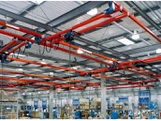
Light - Duty Applications: For light - duty tasks such as moving small parts in a workshop or assembly line, a Monorail Crane System with a lifting capacity of 250 kg to 500 kg may be sufficient. These systems are often used in workstations where precision and ease of use are important. Our 1000kg KBK Single Beam Suspension Crane can also be configured for lighter loads, providing flexibility for various applications.
Medium - Duty Applications: In medium - duty applications, such as in a small manufacturing facility or a warehouse for handling medium - sized products, a lifting capacity of 1 ton to 5 tons is common. These systems are designed to handle more substantial loads and may require a more robust structural design and a higher - capacity hoist.
Heavy - Duty Applications: For heavy - duty industries like steel mills, shipyards, or large - scale manufacturing plants, Monorail Crane Systems with lifting capacities of 10 tons or more are used. These systems are built to withstand the extreme demands of heavy - load handling and often feature advanced safety features and high - performance components.
Choosing the Right Lifting Capacity
Selecting the appropriate lifting capacity for your Monorail Crane System is crucial to ensure the safety and efficiency of your operations.


Assess Your Load Requirements: The first step is to determine the maximum weight of the loads you need to lift. Consider not only the current loads but also any potential future growth in your operations. It's better to choose a system with a slightly higher lifting capacity than you currently need to accommodate any changes.
Consider the Frequency of Use: If you will be using the crane frequently, it's important to choose a system that can handle the workload without excessive wear and tear. A higher - capacity system may be more suitable for continuous or high - volume operations.
Evaluate the Space and Layout: The available space in your facility and the layout of your operations can also influence the choice of lifting capacity. A larger system with a higher lifting capacity may require more space for installation and operation. Make sure to consider any clearance requirements and the overall workflow when selecting the system.
Real - World Examples
Let's take a look at some real - world examples of how different lifting capacities are used in various industries.
Automotive Manufacturing: In an automotive assembly plant, Monorail Crane Systems with lifting capacities ranging from 500 kg to 2 tons are commonly used to move engine blocks, transmissions, and other heavy components along the assembly line. The precise control and flexibility of these systems allow for efficient and accurate positioning of the parts.
Warehousing and Logistics: In a large warehouse, a Monorail Crane System with a lifting capacity of 3 tons to 5 tons may be used to load and unload pallets of goods from trucks and store them on high - rack shelves. The ability to handle these medium - sized loads quickly and safely is essential for maintaining a smooth workflow.
Aerospace Industry: In the aerospace industry, where precision and safety are of utmost importance, Monorail Crane Systems with high lifting capacities, sometimes up to 10 tons or more, are used to handle large aircraft components during assembly and maintenance. These systems are designed to provide precise control and stability to ensure the integrity of the delicate aerospace parts.
Conclusion
The lifting capacity of a typical Monorail Crane System is determined by a variety of factors, including structural design, hoist type, track configuration, and environmental conditions. By understanding these factors and carefully assessing your load requirements, frequency of use, and space constraints, you can choose the right system for your specific needs.
Whether you need a light - duty system for a small workshop or a heavy - duty system for a large industrial facility, our company offers a wide range of Monorail Crane Systems with different lifting capacities to meet your requirements. Our 1000kg KBK Single Beam Suspension Crane and Double beam suspension KBK crane are just a few examples of our high - quality products.
If you're interested in learning more about our Monorail Crane Systems or need help choosing the right lifting capacity for your application, we encourage you to contact us for a consultation. Our team of experts is ready to assist you in finding the perfect solution for your material handling needs.
References
- "Material Handling Equipment Handbook" - A comprehensive guide on the design and operation of various material handling systems, including Monorail Crane Systems.
- Industry standards and guidelines from relevant organizations such as the American Society of Mechanical Engineers (ASME) for crane safety and design.