Hey there! As a supplier of Free Standing Jib Cranes, I often get asked about the maximum weight that these cranes can hoist. It's a crucial question, especially for those in industries where heavy lifting is a daily task. So, let's dive right into it and explore what determines the maximum weight capacity of a free standing jib crane.
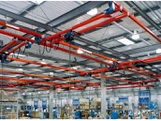
First off, what exactly is a free standing jib crane? Well, it's a type of crane that stands independently on the floor without the need for support from a building structure. It has a horizontal jib or boom that can rotate, allowing it to lift and move loads within a circular area. These cranes are super versatile and can be used in various settings like warehouses, workshops, and construction sites.
Now, back to the main question: what's the maximum weight a free standing jib crane can hoist? The answer isn't as straightforward as you might think. There are several factors that come into play when determining the maximum weight capacity of a jib crane.
One of the most important factors is the design and construction of the crane itself. The materials used, the size and strength of the jib, and the quality of the hoist all contribute to the crane's overall lifting capacity. For example, a crane made from high - strength steel will generally be able to handle heavier loads than one made from a weaker material.


Another key factor is the length of the jib. As the jib gets longer, the crane's lifting capacity decreases. This is because the longer the jib, the more leverage and stress it experiences when lifting a load. So, if you need to lift heavy weights over a short distance, a shorter jib might be the way to go. On the other hand, if you need to cover a larger area, you might have to sacrifice some lifting capacity for a longer jib.
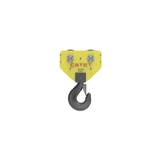
The type of hoist also plays a significant role. There are different types of hoists available, such as electric hoists, manual hoists, and pneumatic hoists. Electric hoists are usually more powerful and can handle heavier loads compared to manual or pneumatic hoists. They also offer more precise control, which is important when lifting valuable or delicate items.
At our company, we offer a wide range of free standing jib cranes with different weight capacities to meet the diverse needs of our customers. For instance, we have the 1~15 Ton JlB Crane, which is designed to handle loads ranging from 1 to 15 tons. This crane is perfect for heavy - duty applications in industrial settings.
We also have the 2T Jib Crane, which is ideal for smaller workshops or applications where you don't need to lift extremely heavy loads. It's a cost - effective solution that still offers reliable performance.
When it comes to choosing the right jib crane for your needs, it's important to consider not only the maximum weight capacity but also other factors like the frequency of use, the working environment, and your budget. For example, if you're using the crane in a harsh outdoor environment, you'll need a crane that's built to withstand the elements.
If you're in the market for a high - quality free standing jib crane, you've come to the right place. We're a High quality cantilever crane manufacturer with years of experience in the industry. Our cranes are built to the highest standards and are backed by excellent customer service.
So, how do you determine the maximum weight capacity you need? Start by analyzing your lifting requirements. Make a list of the heaviest loads you'll need to lift on a regular basis, as well as the distance and height you'll need to move them. This will give you a good idea of the minimum weight capacity your crane should have.
It's also a good idea to consult with our experts. We can help you assess your needs and recommend the best crane for your specific situation. We understand that every customer is different, and we're committed to providing customized solutions that meet your exact requirements.
In addition to the technical aspects, it's important to follow all safety guidelines when using a jib crane. Overloading a crane can not only damage the equipment but also pose a serious safety risk to your workers. Always make sure to operate the crane within its specified weight capacity and follow the manufacturer's instructions for installation, operation, and maintenance.
In conclusion, the maximum weight of the hoist in a free standing jib crane depends on several factors, including the design of the crane, the length of the jib, and the type of hoist. At our company, we offer a variety of cranes with different weight capacities to suit your needs. Whether you're looking for a heavy - duty crane for industrial use or a smaller crane for a workshop, we've got you covered.
If you're interested in learning more about our free standing jib cranes or need help choosing the right one for your business, don't hesitate to get in touch. We're here to assist you every step of the way and help you make the best decision for your lifting needs.
References
- Crane Manufacturers Association of America (CMAA) standards
- American Society of Mechanical Engineers (ASME) B30.11 for jib cranes